LED face mask technology | 2026 guide to skin benefits
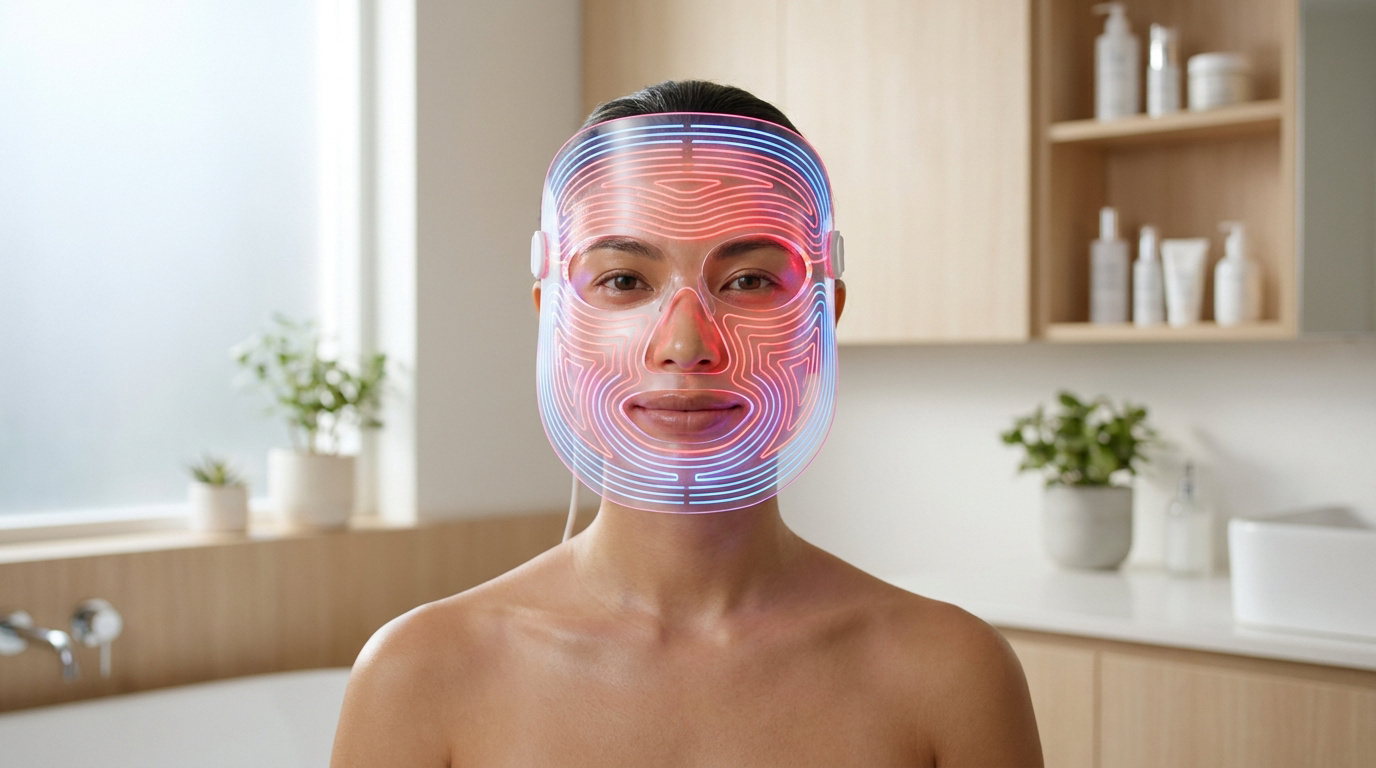
Key takeaway: LED masks utilize photobiomodulation to trigger mitochondrial ATP production, providing a cellular energy boost that accelerates tissue repair. By using specific wavelengths like 633nm red for collagen synthesis and 415nm blue to eliminate acne bacteria, these non-invasive devices offer cumulative structural benefits. FDA-cleared models ensure precise irradiance, making consistent 10-minute sessions a powerful tool for long-term skin vitality.
Photobiomodulation technology has moved from specialized dermatology clinics directly into our homes, with devices now ranging from budget options to high-end systems costing nearly 2,000 dollars. This non-invasive method uses specific light wavelengths to trigger biochemical reactions that boost cellular energy and collagen synthesis without causing thermal damage.
Many users struggle to achieve visible results because they underestimate the consistency required for cellular repair. We will examine how a led face mask can effectively target acne and aging while ensuring your safety during every session.
- Understanding How LED Face Mask Technology Works for Skin
- 4 Light Colors and Their Specific Skin Benefits
- Is Using an LED Face Mask Safe for Everyone?
- Comparing Silicone vs Rigid Plastic Mask Materials
- 3 Steps to Integrate LED Masks With Active Ingredients
- Realistic Timelines for Seeing Visible Skin Results
- Cleaning and Maintenance Protocols for Your Device
Understanding How LED Face Mask Technology Works for Skin
LED masks use specific wavelengths like 633nm red and 415nm blue to trigger ATP production in mitochondria. This photobiomodulation process accelerates collagen synthesis and eliminates acne-causing bacteria, providing a non-invasive cellular energy boost.
Moving from the general concept of light therapy to the microscopic level reveals a complex biological interaction.
The Science of Photobiomodulation and Cellular Energy
Light photons hit your skin and get absorbed by mitochondrial chromophores, specifically cytochrome c oxidase. This isn't just surface-level magic; it is a precise biological reception of light at a deep cellular level. Your cells actually "drink" the light.
This absorption triggers a massive spike in adenosine triphosphate (ATP) production. Think of ATP as the universal currency of cellular energy. This extra fuel immediately starts powering essential skin repair processes that usually lag with age.
Higher energy levels directly translate to visible skin vitality. When your cells have an abundance of ATP, turnover happens faster. You end up with healthier, more resilient tissue because the biological "engines" are finally running at full capacity.
Visible Light vs Near-Infrared Wavelengths
Visible light spectrums have very specific penetration depths. Red light, for instance, focuses its energy on the epidermis and the upper dermis. It is perfect for surface issues but it cannot reach the deepest layers alone.
Near-infrared (NIR) is superior for reaching the deep dermal layers, often hitting depths up to 40mm. The 830nm range is particularly effective because it bypasses surface barriers. It goes where visible light simply cannot reach to fix structural issues.
The physical sensation between the two is quite different. Visible light is bright and can be intense for the eyes. NIR, however, is often felt only as a gentle, soothing warmth as it penetrates the deeper tissues of the face.
Stimulating Collagen Production for Long-Term Health
Specific light frequencies trigger a process called fibroblast activation. These fibroblasts are the actual "factories" of your skin. When they are stimulated by a Led face mask, they start churning out essential proteins much more efficiently.
Over time, you will notice structural changes in the skin matrix. The density and elasticity of new collagen fibers improve significantly. It is not a temporary fix; the skin actually becomes thicker and more supportive from the inside out.
But here is the catch: results are strictly cumulative. Long-term health depends on consistent signaling to these collagen-producing cells. You need regular sessions to maintain that structural integrity, or the factory simply slows back down to its old pace.
4 Light Colors and Their Specific Skin Benefits
While the underlying science is universal, the specific results you see depend entirely on the color of light hitting your pores.
Red Light Therapy for Anti-Aging and Inflammation
Red light is your best bet for smoothing fine lines. It calms the surface while triggering deep repair mechanisms. This wavelength targets the dermis to boost collagen production, helping your skin regain its natural firmness and bounce.
At the cellular level, it lowers cytokine levels. This systemic response effectively soothes irritated or sensitive complexions. By reducing chronic inflammation, it helps prevent the premature thinning often associated with environmental stress.
The final result is a visible rejuvenation effect. This specific wavelength remains the gold standard for reversing sun damage. It strengthens the skin's structure, making it a powerful ally against the natural aging process.
Blue Light for Acne and Bacterial Control
Blue light works by activating porphyrins to destroy P. acnes bacteria. It offers a targeted, non-chemical way to clear breakouts without harsh side effects. By hitting the surface layer, it neutralizes the primary cause of inflammatory acne.
This light also helps regulate sebum production in oily skin types. It balances the skin's natural oil output to prevent clogged pores. You get a clearer complexion without the stripping effect of traditional topical alcohols or acids.
Using a Led face mask with blue light provides several key advantages:
- Kills acne-causing bacteria on contact.
- Reduces the appearance of active spots.
- Prevents future breakouts from forming.
- Minimizes oiliness without drying the skin.
Yellow and Near-Infrared for Deep Tissue Repair
Yellow light focuses on improving lymphatic flow and removing toxins. It reduces puffiness and improves circulation for a more radiant look. By stimulating the micro-circulation, it helps revive a dull or tired-looking complexion quite effectively.
Near-Infrared (NIR) goes even deeper to accelerate wound healing and scar reduction. It is particularly useful for post-procedure recovery or fading stubborn acne marks. This deep penetration supports the skin’s ability to repair itself after significant irritation or damage.
These "invisible" or "soft" lights offer a unique synergy. They reach tissue depths where standard topical treatments often fail to penetrate. Together, they stabilize the skin, making it more resilient against daily stressors and internal inflammation.
Is Using an LED Face Mask Safe for Everyone?
Safety is the bedrock of any home treatment, and while LED is generally low-risk, there are hard lines you shouldn't cross.
Photosensitivity and Medication Interactions to Watch
Certain medications like Accutane or specific antibiotics significantly increase your risks. These drugs make your skin hyper-reactive to light energy. You might face unexpected irritations or even burns if you aren't careful. It is a serious conflict.
Always perform a patch test for light sensitivity first. Try using the device on your inner arm before your face. This simple step reveals how your skin reacts. It prevents a full-face disaster from a bad reaction.
Consult your doctor if you use topical prescriptions. Safety always trumps a quick cosmetic fix. Professional advice ensures your Led face mask won't interfere with your current medical treatment. Don't skip this step.
Protecting Your Eyes During Active Light Sessions
Built-in silicone shields or external goggles are absolutely necessary. Direct exposure to high-intensity LEDs can strain your retina. This is especially true with blue light, which is close to ultraviolet. You only get one pair of eyes.
Specific risks exist for users with conditions like glaucoma. Bright light might increase ocular pressure or cause intense discomfort. Experts strongly advise against using these devices if you have hereditary eye diseases. Your vision is far more precious.
Closing your eyes helps, but it isn't enough. Physical barriers remain the only way to ensure total safety. While the "eyes closed" debate continues, don't take the gamble. Use the provided protection every single time you power up.
Contraindications and Specific Skin Type Risks
Certain groups must avoid LED entirely, including those with active skin cancer. Safety protocols must be absolute for compromised skin. Never apply light therapy to undiagnosed lesions. It is better to be cautious than to cause harm.
Blue light can trigger hyperpigmentation or melasma flare-ups. This is due to the heat-sensitivity of pigment-producing cells in darker skin tones. It might actually worsen the spots you are trying to hide. Know your skin's limits before starting.
I suggest a "slow and steady" approach for everyone. Start with shorter sessions to monitor how your specific skin reacts. Consistency matters more than intensity. Watch for any redness or inflammation and adjust your routine accordingly.
Comparing Silicone vs Rigid Plastic Mask Materials
Beyond the light itself, the physical build of your device dictates whether you'll actually use it.
Ergonomics and Comfort During Extended Sessions
Flexible silicone contours naturally to your unique facial structure. Unlike hard shells, this soft material stays closer to your skin. This proximity is vital for better light absorption. It ensures the Led face mask energy reaches your cells effectively.
Weight distribution often determines if you finish a session. Heavy plastic masks frequently pinch the bridge of your nose. Silicone designs distribute pressure more evenly. This makes a ten-minute treatment feel significantly shorter and more relaxing.
| Feature | Flexible Silicone | Rigid Plastic |
|---|---|---|
| Weight | Lightweight and adaptable. | Heavier and bulky. |
| Comfort | Soft, hypoallergenic feel. | Can cause pressure points. |
| Light Proximity | Sits flush against skin. | Leaves gaps for light escape. |
| Durability | Resists UV and salt water. | Prone to yellowing or cracks. |
| Portability | Easy to fold and travel. | Rigid and hard to pack. |
Battery Life and Cordless vs Tethered Usability
Rechargeable models offer freedom to move around. Plug-in units provide more consistent power levels. Wireless is great for mobility. But, battery decay eventually limits the device's lifespan.
Power output directly impacts how well the treatment works. Tethered masks often deliver higher irradiance. They draw from a constant power source. This ensures the LEDs operate at peak intensity every single time.
USB charging has become the modern standard. It fits into a tech-heavy lifestyle easily. You won't need proprietary cables. This convenience makes maintaining a daily skincare routine much simpler.
FDA-Cleared Devices vs Unverified Consumer Electronics
FDA clearance is a benchmark for safety and irradiance. It proves the device actually emits claimed wavelengths. Without this, you are just guessing. It ensures the Led face mask meets specific medical-grade standards.
Cheap, unverified masks often lack wavelength precision. They might use simple colored bulbs. These don't provide the bio-stimulatory effects of medical LEDs. Using them is often a waste of time and money.
Price usually reflects the level of rigorous testing. Investing in a cleared device is smart. It serves as long-term insurance for your face. You get results without risking skin irritation or eye damage.
3 Steps to Integrate LED Masks With Active Ingredients
Owning the mask is only half the battle; knowing what to put on your face before and after is what doubles the results.
Cleansing and Prepping the Skin for Maximum Efficacy
Start by stripping away everything. You must remove makeup, heavy creams, and daily grime. Photons require a completely clear path to reach your skin cells effectively.
Clean skin ensures better photon penetration. Even a thin layer of SPF can reflect beneficial light away from your face. This barrier makes your session far less productive. You want those wavelengths hitting the dermis directly.
Stick to a gentle, non-stripping cleanser. Avoiding harsh irritation before the light session is smart. It ensures your skin remains calm and receptive during the treatment. A fresh canvas is non-negotiable.
Combining Light Therapy With Retinol or Vitamin C
Always apply your powerful actives after the Led face mask session. Retinol and light are both potent tools. Using them sequentially rather than simultaneously prevents unnecessary sensitivity. This order keeps your skin barrier happy and intact.
Antioxidants and light therapy work together beautifully. Applying Vitamin C post-LED can help brighten your skin even further. The light prepares the skin, and the serum finishes the job. It is a perfect duo for a radiant glow.
Never use photosensitizing topicals under the mask. Doing so often leads to unexpected stinging or redness. Save the heavy hitters for the finish line. Your face will thank you for the caution.
Post-Treatment Care and the Necessity of SPF
Hydration is your next priority. LED sessions can cause a slight warming effect. Use a simple hyaluronic acid serum immediately after. This step locks in moisture and plumps the skin instantly.
You must use a broad-spectrum sunscreen daily. LED therapy stimulates cell turnover, making new skin vulnerable. UV damage can quickly undo your progress. Protecting those fresh cells is a mandatory rule for long-term success.
Finalize the routine with a basic barrier cream. This seals the deal and protects your results. It helps keep that "glow" lasting throughout the day. Simplicity often wins when it comes to post-treatment recovery.
Realistic Timelines for Seeing Visible Skin Results
Patience is the hardest part of skincare, but LED therapy follows a very specific biological clock.Instant Glow vs Long-Term Structural Improvements
Don't confuse a quick flush with actual repair. That immediate radiance after using your Led face mask comes from boosted blood flow. It is essentially just oxygen rushing to the surface. True structural change takes much longer.
You need to wait 4 to 12 weeks for real results. This window allows new collagen to actually reach the upper layers. Expecting deep wrinkle reduction in days is simply not how biology works.
Your skin cells regenerate roughly every 28 days. This cycle dictates the pace of any visible transformation. You cannot outrun the natural pace of cellular regeneration, no matter the device power.
Consistency and the Importance of Treatment Duration
Using the mask once a week is a waste of time. Sporadic sessions fail because cellular signaling requires frequent triggers. You must keep the skin in "repair mode" to see cumulative benefits.
Stick to 3 to 5 sessions every single week. More isn't always better, as your skin needs downtime to process the energy. Overdoing it won't speed up the collagen synthesis process at all.
Try habit-stacking to stay on track. Put the mask on while meditating or listening to a short podcast. This ensures you don't skip sessions when your schedule gets busy or tiring.
Targeted Devices for Lips and Under-Eye Areas
Specific tools work best for the thin skin around eyes and lips. These delicate zones often require more focused energy. A full-face mask might not sit close enough to provide maximum impact here.
Localized tools often deliver higher irradiance to specific wrinkles. While full masks cover everything, targeted devices concentrate the light. This precision is better for stubborn areas like deep crow's feet or lip lines.
Focusing on these spots offers distinct advantages for your routine:
- Higher precision for treating stubborn crow's feet.
- Visible lip plumping effects through targeted collagen stimulation.
- Portable designs making them easy for travel use.
- Easier to use on specific spots without a full setup.
Cleaning and Maintenance Protocols for Your Device
To keep the technology working for years, you have to treat the hardware with as much care as your skin.
Sanitization Methods to Prevent Bacterial Buildup
Grab alcohol-free wipes to clean your gear safely. Harsh chemicals often cloud the LED lenses over time. This damage reduces light output significantly. Stick to gentle, specialized disinfectants to protect the silicone or plastic surfaces.
Sharing your device involves real risks of cross-contamination. Bacteria from someone else's breakouts migrate easily to your face. This can trigger unexpected flare-ups. Keep your beauty tools personal to maintain skin health.
Clean the surface after every single use. It takes thirty seconds of your time. This simple habit prevents a host of skin issues. You really don't want old sweat sitting on your Led face mask.
Storage Tips to Extend the Lifespan of LED Bulbs
Keep your device in a cool, dry place. Avoid any direct sunlight exposure. High heat can degrade internal circuitry. It also ruins the battery life over time. Find a dark, stable spot.
Coil your cables loosely to prevent internal wiring damage. Never use sharp bends when storing cords. Don't wrap the wire tightly around the mask body. Proper handling stops the connection from fraying or snapping.
Use the original box or a dedicated dust bag. This prevents scratches on the light-emitting surface. Scratches can scatter the beam and lower efficacy. Protection ensures the light hits your skin correctly every time.
Troubleshooting Common Battery and Connection Issues
Manage your lithium-ion battery health with simple habits. Avoid letting the device sit at zero percent. Long periods of total discharge kill the cells. Charge it regularly to keep the power flowing smoothly.
Know when to repair or replace your unit. If lights flicker constantly, something is wrong. A mask that gets hot is a sign of failure. Don't ignore these red flags for your own safety.
Check the charging port for lint or dust. Often, a "broken" mask is just a dirty connection. A quick clean allows a full charge. It’s a simple fix that saves you from buying a new one.
By harnessing photobiomodulation to boost ATP and collagen, consistent use of your LED device transforms skin vitality. Prioritize FDA-cleared technology and maintain a steady routine to achieve professional-grade rejuvenation. Start your journey toward a radiant, firmer complexion today for lasting structural health.
